#Safe2BeMe
The Autism Queensland (AQ) #Safe2BeMe Toolkit was co-designed with autistic students with funding from Queensland Family & Child Commission to create safer, more inclusive educational environments for autistic students.
To understand what helps autistic students feel safe and supported at school, we asked autistic students from Prep to Year 12 to share their experiences in response to the question: “What helps you feel safe at school?” Students shared their perspectives through stories, surveys, conversations, drawings and videos. An advisory group of autistic secondary students also helped guide the co-design and development of the #Safe2BeMe Toolkit, ensuring their voices and experiences shaped the project and its resources.
The co-designed #Safe2BeMe Toolkit brings together short videos featuring autistic students’ experiences, how-to guides, tips, tools and practical strategies to help educators create safer, more inclusive school environments. Through outcomes of the project and student feedback, the toolkit is organised under three (3) solution-focused themes: Access to supports; predictability; and autonomy.
FAQ Resource 'Quick Links'
Not sure what you’re looking for or just here for a browse? That’s okay. Here are some frequently asked questions to get you started. Explore these quick links to find practical advice, strategies, and resources to help you create a more inclusive educational environments and support neurodivergent students:
- How can I help my students feel safe and supported?
- How can I make the school day more predictable for my students?
- How can I create a more stable and consistent environment for my students?
- How can I reduce stress and support my students’ regulation?
- How can I give my students more choice and control at school?
- How can I help my students communicate their support needs?
- How can I help my students feel comfortable asking for help?
Continue scrolling to browse our full range of resources or contact us for more support.
Section 1: Access to Supports
Autistic students of all ages reported that consistent and reliable access to supports helped them feel safe at school. They emphasised the importance of not just having tools and strategies that helped them but also knowing that they could use them whenever they needed.
Section 2: Predictability
Uncertainty and a lack of predictability can cause stress and anxiety, particularly for autistic students. Predictable environments, expectations, and supports create stability for students at school. Knowing what to expect creates a sense of safety and trust that supports regulation and engagement throughout the day.
Section 3: Autonomy
Autistic students feel safer at school when they have choices and when they can confidently share their needs, ideas, and preferences. When students feel comfortable asking for help, speaking up, and knowing they will be taken seriously, they feel safer and more in control.
- Download #Safe2BeMe Autonomy Poster here.
Meet the artist!
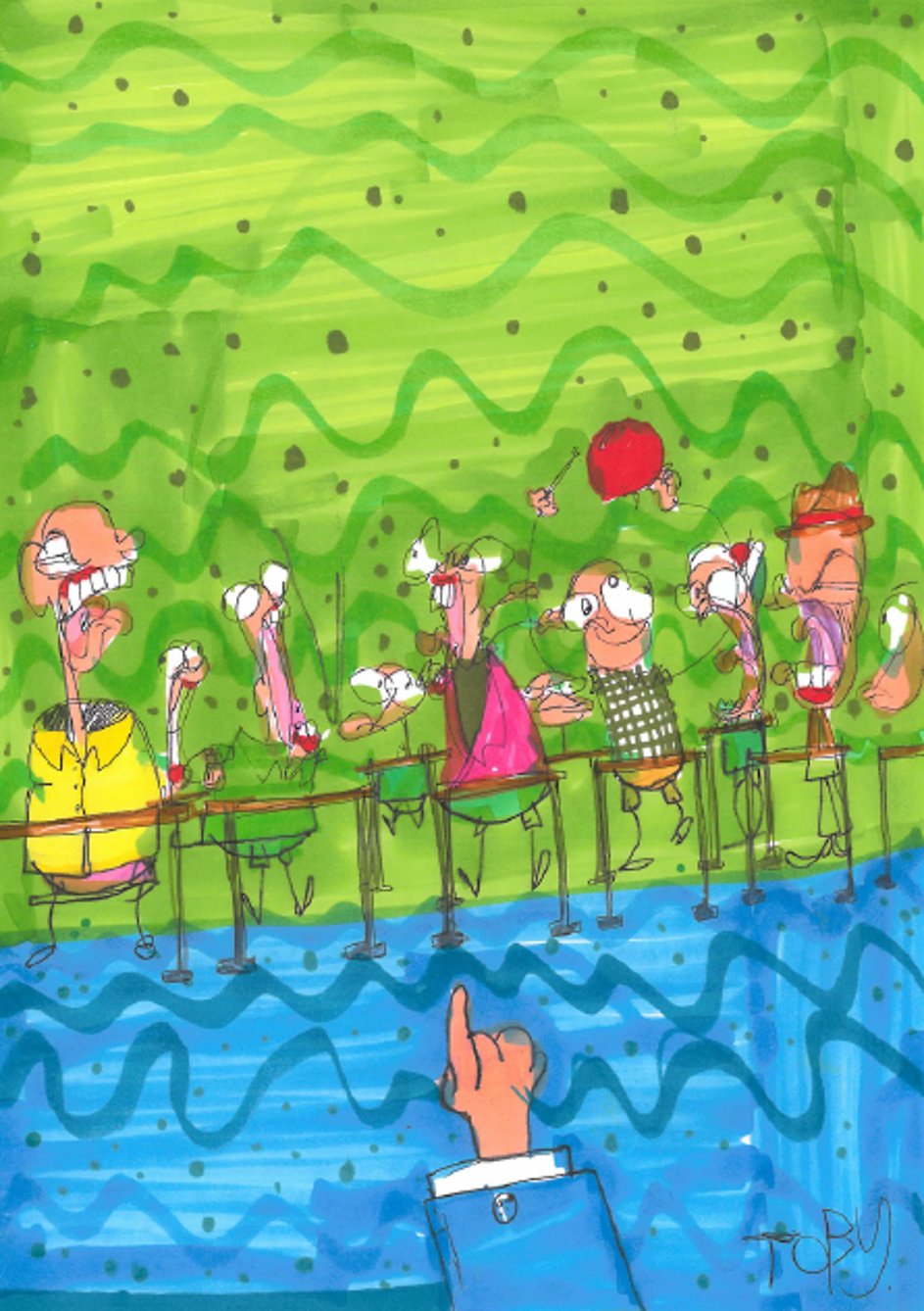
Toby was a member of the #Safe2BeMe student advisory group and a talented young artist. Several of his drawings are featured throughout the toolkit.
“My name is Toby and I have been making Art since 2019, until this year. I work mainly with pencils and pens, but I have also used markers, watercolours, paint and brushes. I am based in Queensland, Australia. I don’t have formal training, but I learned to make my style from drawing heads and stick figures and boots. What I love about my art is drawing houses, towns, people, cars, cities and books. I draw them funny and it makes me laugh. Art pieces that I am working on in the future are “Lucky Chums” which is based on a TV show that I love. I would love people to know about my art and how proud I am of my work.”
View another of Toby’s artworks “Noisy Classroom” here.
Contact us for support
For further advice, resources, tailored support, bespoke training, or consultation to develop and implement inclusive solutions in your school, early childhood education setting, or other educational environment, contact us for a chat.
For media enquiries, interview requests, or permission to reproduce content, please contact us. Information published on this website is provided for general informational purposes and should not be taken as a substitute for individualised advice.