

My Rights, My Voice

The My Rights, My Voice Toolkit was developed through a collaboration between Autism Queensland and the University of Queensland Pro Bono Centre, with valuable input from the Queensland Police Service. The toolkit was co-designed and developed with autistic young people over several years, drawing on their lived experience, ideas, and expertise. Designed for autistic people and their support networks, this suite of resources provide clear, practical information to help build understanding, confidence, and preparedness when navigating interactions with police.
Introduction to the My Rights, My Voice Toolkit
Encounters with police can be stressful, confusing, or overwhelming. This toolkit of information papers, tip sheets, and visual resources provide clear, practical information to help autistic people (and those supporting them) feel more prepared and confident in these situations, including:
- Identifying Queensland police officers and police vehicles.
- Understanding when police can access your personal devices or question you for personal information.
- Setting up emergency contacts on mobile devices for emergency situations.
- Knowing what to do if asked to get into a police vehicle.
- Understanding your rights and procedures during encounters with the Queensland Police Service.
Accessibility & self-advocacy
Designed to be accessible for autistic people with a range of communication styles and support needs, the resources use clear language, visual supports, and step-by-step guidance. They also include practical strategies to support self-advocacy, such as requesting clarification, communicating support needs, and understanding legal rights.
Recognising the diversity of the autistic community, the resources include guidance for minimally-speaking or non-speaking autistic people, including alternative communication options and ways to prepare for interactions with police. Information and practical tips are also provided for families, carers, and support people to help them advocate for and support autistic people before, during, and after police interactions.
Understanding, safety & inclusion
These resources aim to:
- Reduce anxiety and confusion during police interactions.
- Prevent misunderstandings that could escalate situations.
- Increase awareness and understanding of legal rights.
- Promote safer, more positive interactions between autistic people and police.
- Empower autistic people to navigate complex situations with greater confidence.
Together, these resources support positive relationships between autistic people and the Queensland Police Service.
Please note: All resources and information are general advice only. Each situation is unique. You should always seek legal advice.
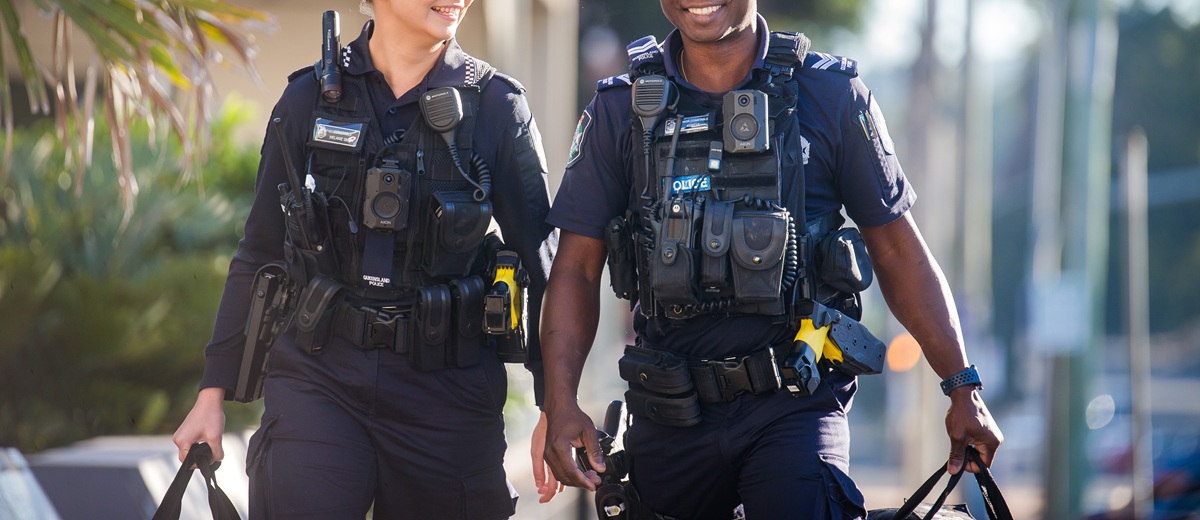
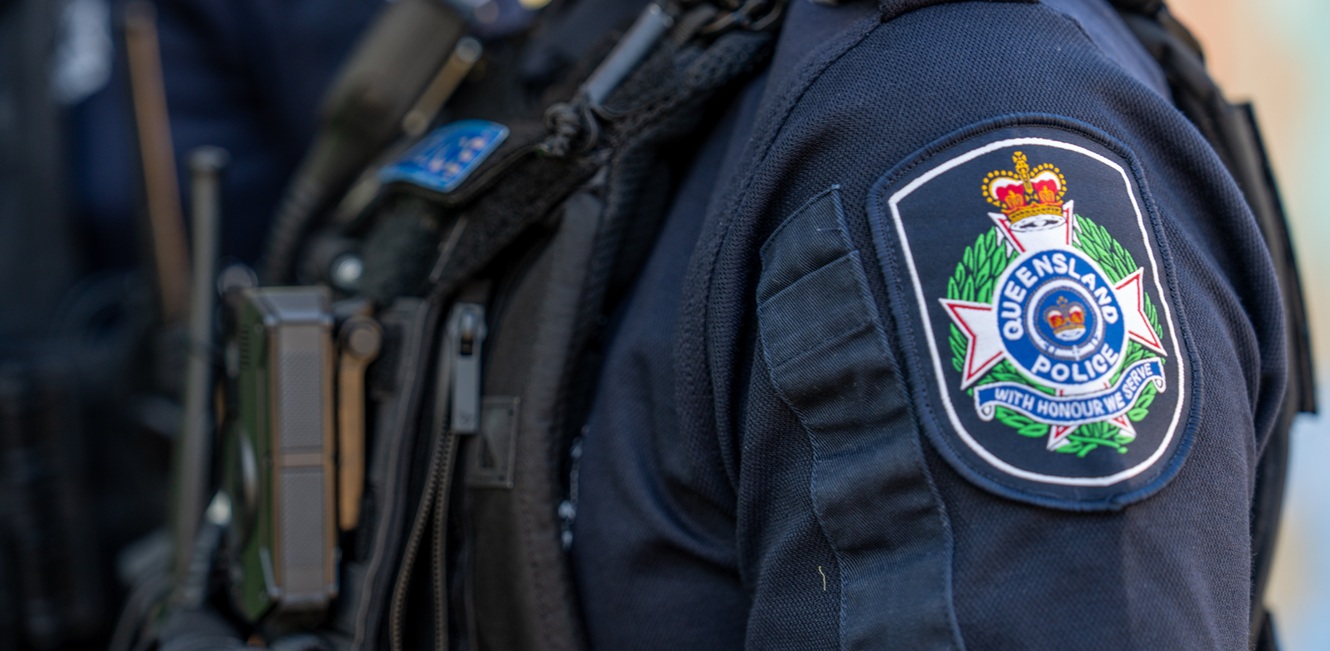
Identifying a Police Officer
Police officers work with the community to ensure a safe Queensland for everyone. For autistic people, interacting with the police may come with increased anxiety and difficulty. These resources are aimed to guide these police interactions and will help autistic people identify a police officer confidently.
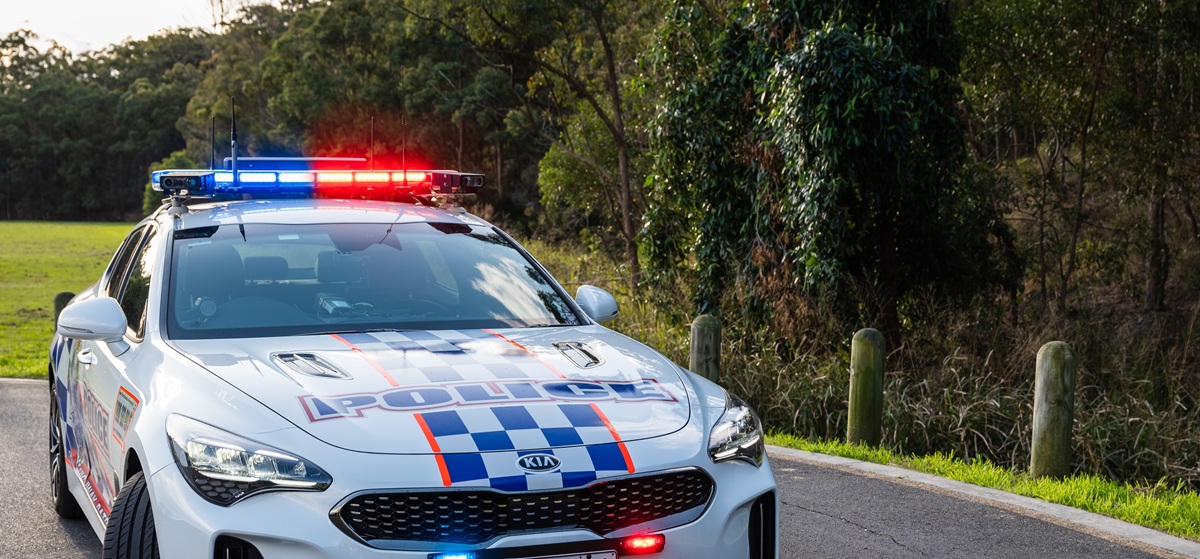
Identifying a police vehicle and should I enter one if asked?
These resources provide guidance for autistic people on how to identify a police vehicle and what to do if a police officer asks them to enter one. Understanding and preparing for these situations can contribute to a safer and more positive interaction for autistic people and police.
Can police access my phone?
These resources are designed for autistic people and their support persons to provide information about when the police can access your phone and what rights you have in these situations. Additionally, you will find tips and step-by-step information on how to set up emergency contact information readily available for emergency situations or during interactions with police.

What if I am arrested?
Understanding and navigating the process of being arrested can be overwhelming. These resources will help you identify if you are being arrested, your rights, and what to do if you are arrested.

This project is proudly funded & supported by the University of Queensland Pro Bono Centre – Law School.
We extend our sincere thanks to the Queensland Police Service (QPS) for its valuable involvement in the development of the My Rights, My Voice resource toolkit
Contact our Community Inclusion Team
For support, training, or consultation to develop and implement inclusive solutions, contact our Community Inclusion team:
Phone: (07) 3273 0000
Email: [email protected]
Learn More: autismqld.com.au/consultancy-services